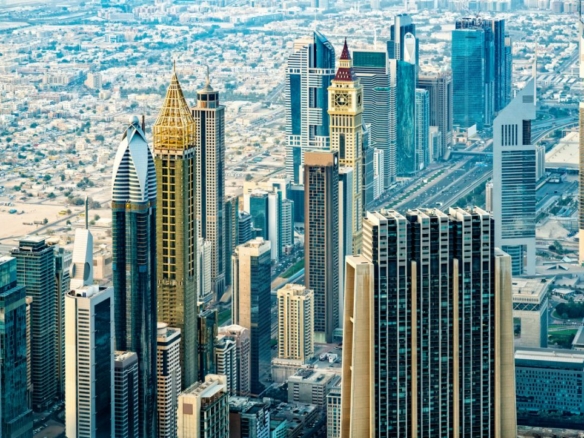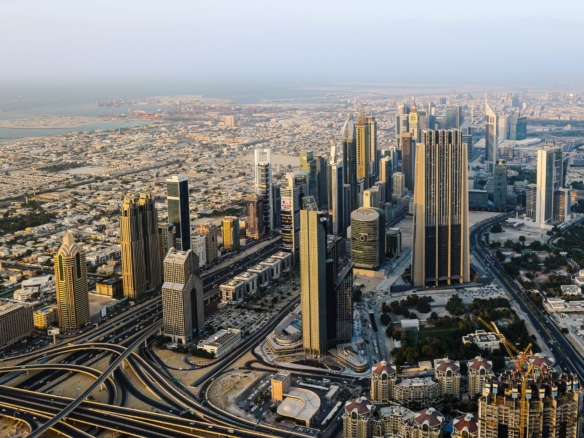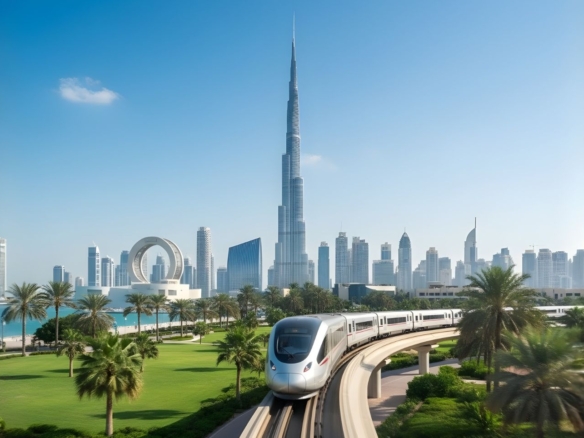

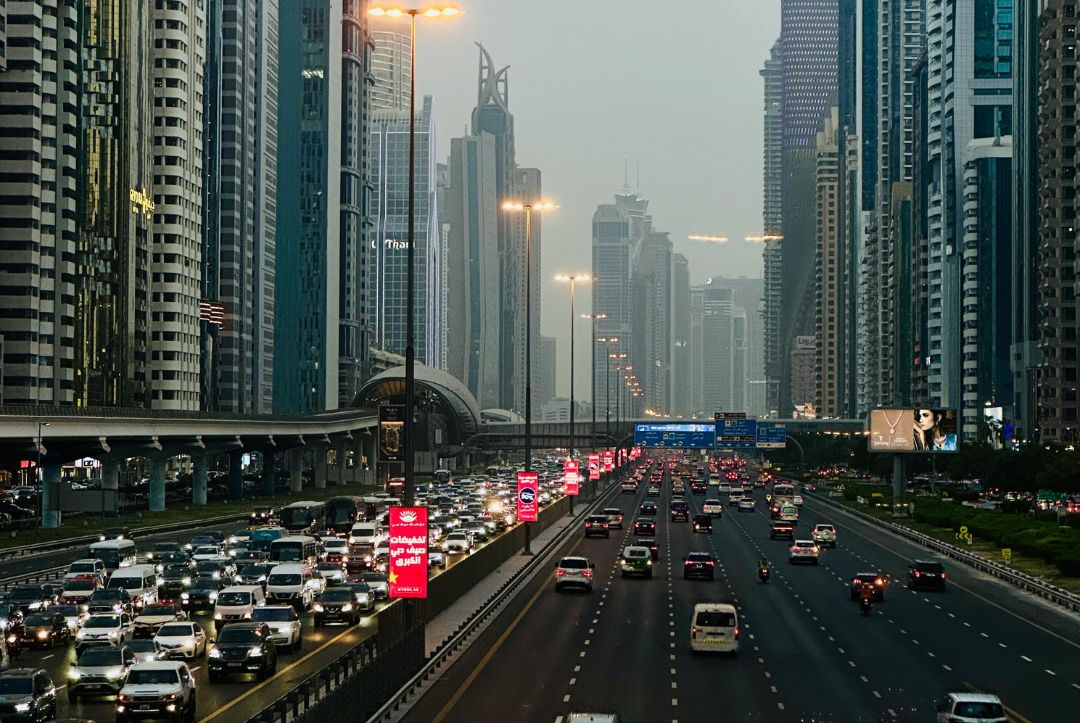
Dubai is once again pushing the boundaries of urban mobility with an ambitious underground transport project called the Dubai Loop, a first-of-its-kind initiative outside the United States that aims to transform how people move across the city’s densest districts. This proposal builds on Dubai’s broader vision for cutting-edge infrastructure and future-ready connectivity, reinforcing the emirate’s reputation as a global leader in innovation and smart urban living.
What Is the Dubai Loop?
The Dubai Loop is an underground passenger transport system being developed through a partnership between the Roads and Transport Authority (RTA) of Dubai and Elon Musk’s The Boring Company the same firm behind tunnel-based transport solutions in the U.S.
Instead of traditional above-ground roads or metro systems, the Loop uses smaller diameter tunnels about 3.6 metres wide to run electric, zero-emission vehicles beneath the city. These tunnels allow passengers to travel rapidly between major urban hubs with minimal disruption to surface traffic and existing infrastructure.
Phase 1: DIFC to Dubai Mall (Pilot Route)
The first phase of the project focuses on a 6.4-kilometre pilot route connecting key business, commercial, and lifestyle destinations: Dubai International Financial Centre (DIFC) and Dubai Mall, with stops near Burj Khalifa and prominent financial districts.
This corridor is one of the busiest in Dubai, and traveling between these points by car can take 15-20 minutes during peak hours. The Loop aims to cut that journey down to just a few minutes once operational offering a fast, reliable alternative to surface transport.
The first phase includes four underground stations and is expected to be completed over approximately one year following design and preparation work.
Long-Term Vision: A Citywide Network
While Phase 1 is a pilot, the full Dubai Loop network is far more expansive, with plans for up to 22.2 kilometres of tunnels and 19 stations stretching between strategic points like Dubai World Trade Centre, Business Bay, DIFC, and Downtown Dubai.
While Phase 1 is a pilot, the full Dubai Loop network is far more expansive, with plans for up to 22.2 kilometres of tunnels and 19 stations stretching between strategic points like Dubai World Trade Centre, Business Bay, DIFC, and Downtown Dubai.
Technology & Design
The Loop uses advanced tunnelling technologies that offer several advantages over traditional transit construction:
- Smaller tunnel diameter leads to quicker construction and lower costs.
- The system is designed to move electric vehicles underground, which can operate independently of surface weather conditions (e.g., heat or sandstorms).
- This approach also reduces disruption to existing roads, utilities, and city life during construction.
Unlike conventional metros with larger stations and fixed stops, the Loop system’s smaller stations can be embedded in commercial developments, business districts, or residential hubs, greatly improving accessibility and convenience.
Cost and Implementation Timeline
The first phase of the Dubai Loop is estimated to cost around AED 565 million (approximately USD 154 million), with the total expanded project reaching roughly AED 2 billion (approximately USD 545 million).
Construction and tunnelling activities are expected to accelerate through 2026 and beyond, with government officials indicating that implementation is commencing soon following the agreement signed at the World Governments Summit 2026.
Role in Dubai’s Urban Mobility Strategy
The Dubai Loop is not meant to replace existing transportation systems; rather, it complements them. It adds a high-speed underground mobility layer designed for short, direct journeys in areas with heavy traffic and high commuter demand.
This fits within the wider vision for an integrated, multimodal transport ecosystem in Dubai, which includes:
- Dubai Metro (driverless metro system)
- Etihad Rail (national passenger and freight network)
- Buses, trams, and marine transport
- Autonomous and demand-responsive mobility strategies
By combining these systems, Dubai aims to offer efficient, reliable, and sustainable mobility options that reduce congestion and enhance quality of life for residents and visitors alike.
What This Means for Residents and Investors
For residents, the Dubai Loop provides quick, reliable transportation between vital commercial and lifestyle areas, potentially cutting travel times and reducing dependence on surface roads. Enhanced mobility tends to improve access to jobs, amenities, and urban experiences — a clear quality-of-life benefit.
From an investment perspective, improved connectivity often boosts demand in surrounding property markets, particularly in areas near planned stations. Transit-oriented development has historically supported increased property values and rental interest in many global cities — and Dubai aims to benefit from similar dynamics as the Loop project progresses.
Current Status and Next Steps
As of early 2026, the RTA and The Boring Company have formally signed the agreement to begin implementation of the Dubai Loop. Initial tunnelling and design preparations are underway, and construction is expected to pick up throughout the year.
While official opening dates and precise operational timelines are still being confirmed, the pilot phase between DIFC and Dubai Mall is projected to complete within approximately one year once construction begins.
Conclusion
The Dubai Loop represents a bold step forward in the city’s ongoing efforts to enhance urban mobility and reduce congestion through innovation. As a complementary layer to Dubai’s broader transport infrastructure, it offers a glimpse into a future where rapid, reliable, and technologically advanced transit is accessible beneath the city streets. For residents and investors alike, the Loop underscores Dubai’s commitment to smart growth, efficient connectivity, and forward-thinking urban design.
Keep an eye on official RTA announcements for updates as the project evolves.