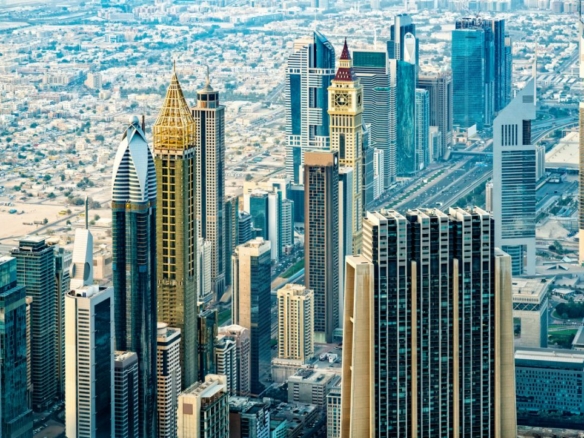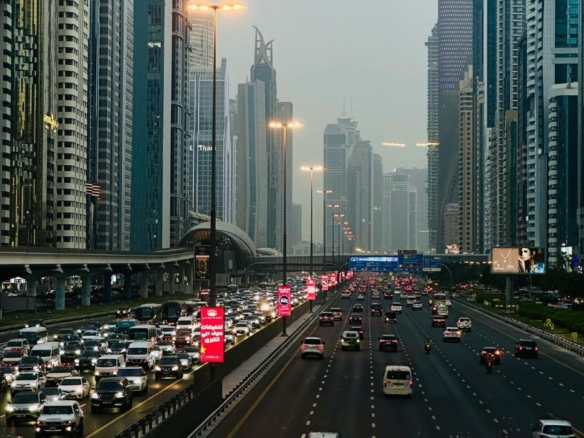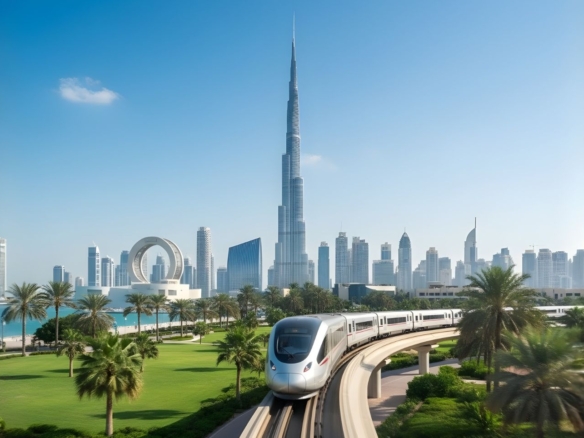
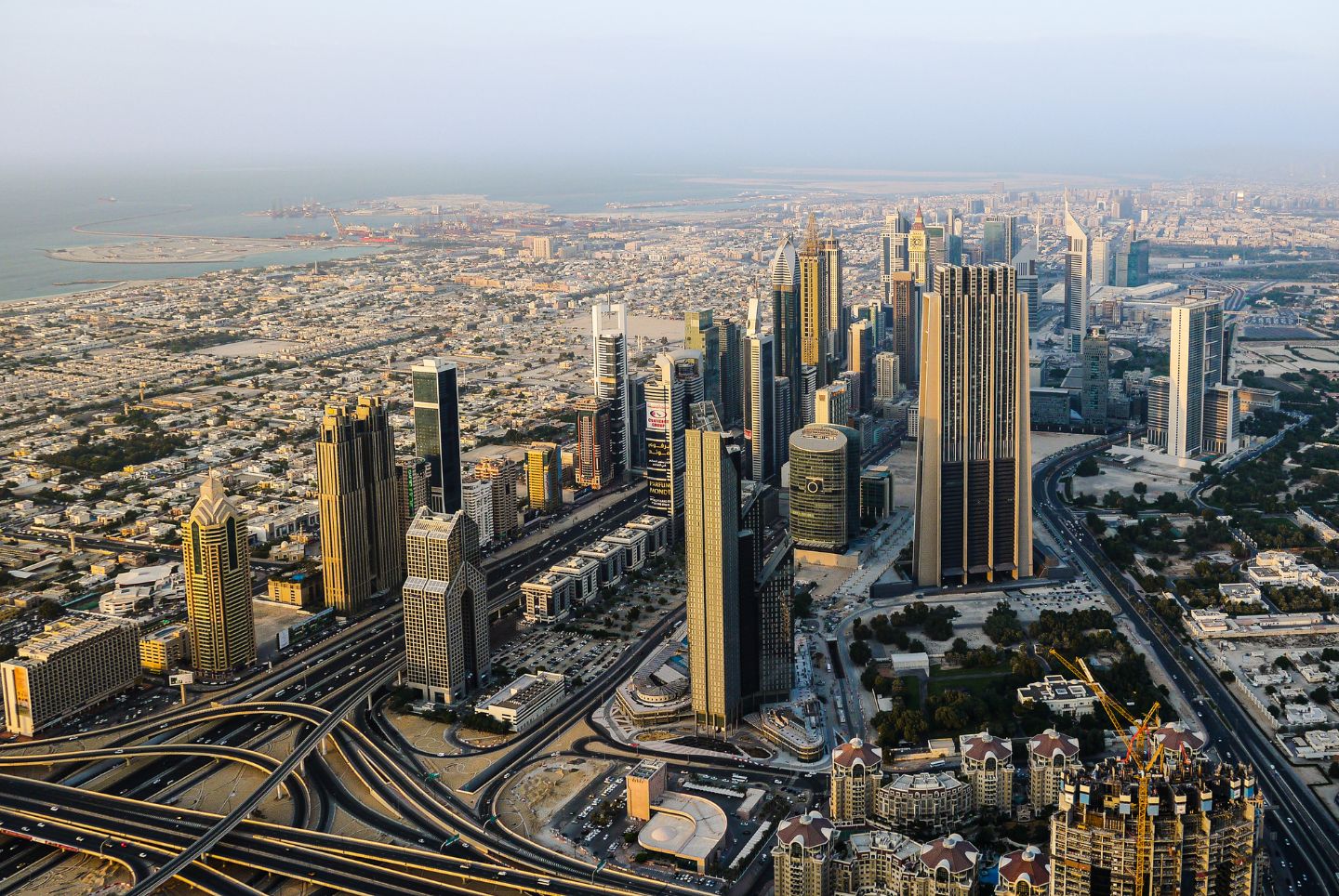
Dubai has spent decades evolving from a regional trade hub into a global titan of industry and lifestyle. However, 2026 marks a specific turning point in the city’s timeline. We are seeing the early stage realization of the Dubai 2040 Urban Master Plan, a period where the city is transitioning from rapid expansion to a more mature, sustainable, and resident-focused ecosystem.
If you are a professional, an investor, or a family looking for a new chapter, 2026 offers a unique window where infrastructure and policy have aligned to create a compelling case for relocation.
A Maturing Economy with Multi-Sector Growth
The narrative of Dubai as a “speculative” market has significantly shifted toward one of stabilization and diversification. By 2026, the economy has moved far beyond its traditional pillars of oil and trade, showing signs of greater maturity.
- The 0% Personal Tax Advantage: In an era where many global economies are increasing tax burdens to manage fiscal debt, Dubai’s 0% personal income tax remains a massive draw. For professionals, this translates into a significantly higher capacity for personal wealth creation and savings.
- The D33 Progress: We are now well into the Dubai Economic Agenda (D33), which aims to double the size of the economy by 2033. Moving here in 2026 allows you to enter a market that has proven its resilience while still offering the upward trajectory of a city that refuses to stagnate.
- Business-Friendly Evolution: Recent updates to corporate ownership laws and the introduction of a modest corporate tax for large entities have brought Dubai in line with global standards, making it a more “serious” and transparent place to do business.
Infrastructure: The Era of Enhanced Mobility
Connectivity in Dubai has always been world class at the airport level, but 2026 marks the beginning of a transformation in how people move within the country.
- Etihad Rail Passenger Phasing: 2026 is a milestone year as Etihad Rail begins the phased rollout of its passenger services. While the full nationwide high speed network is an ongoing project, the introduction of rail travel between key hubs represents a fundamental shift in UAE logistics, eventually offering a viable alternative to the E11 highway.
- The 20-Minute City Vision: Under the Dubai 2040 Urban Master Plan, the city is actively re-zoning to ensure that more residents can access 80% of their daily needs from clinics to parks within a 20-minute journey. This shift toward “urban pockets” is making Dubai more walkable and less car-dependent.
- Digital Integration: Dubai continues to lead in smart-city initiatives. From the “Dubai Now” app to AI-integrated government services, the administrative friction of moving setting up utilities, visas, and IDs is lower in 2026 than almost anywhere else in the world.
Real Estate: A Focus on Long-Term Value
The property market has evolved from the volatility of previous decades into a more regulated and transparent environment.
- Sustainable Yields: While the “boom” years saw wild fluctuations, 2026 offers a more stable environment for investors. Rental yields in popular communities like Jumeirah Village Circle (JVC) and Dubai Hills Estate continue to average a healthy 6–8%, significantly outperforming major Western capitals.
- End-User Shift: There is a noticeable trend toward “end-user” buyers, people purchasing homes to live in rather than flip. This has created more stable, community-focused neighborhoods with better long-term property maintenance and resident satisfaction.
- Green Building Standards: New handovers in 2026 are increasingly adhering to higher sustainability standards. Developers are integrating smarter cooling systems and energy-efficient designs to help residents manage utility costs effectively.
Enhanced Residency: The Golden Visa and Beyond
One of the biggest historical deterrents to moving to Dubai was the lack of long-term security. The UAE has addressed this head-on with an expanded residency framework.
- The Golden Visa: While still merit-based, the 10-year Golden Visa has become a core aspiration for skilled professionals, investors, and entrepreneurs. It provides a level of stability that allows residents to plan their lives in decades rather than two-year cycles.
- The Freelancer & Green Visas: These pathways allow for self-sponsorship, which has fostered a burgeoning community of “Digital Nomads” and independent consultants. This decoupling of residency from a single employer has made the job market more fluid and dynamic.
Quality of Life and Sustainability
Living in Dubai in 2026 is about more than luxury; it’s about a high standard of functional daily life.
- Unmatched Safety: Dubai consistently ranks among the top cities globally for personal safety. For families, the peace of mind that comes from low crime rates is often the primary reason for choosing the UAE over other global hubs.
- Urban Greening: As part of its sustainability goals, Dubai has implemented major urban greening initiatives. While the desert climate remains a reality, the increase in parks, “green corridors,” and shaded walkways is actively improving the micro-climate of residential areas.
- Healthcare and Education: The city has seen a massive influx of international healthcare providers and top tier school branches (British, IB, and American). In 2026, the “soft infrastructure” of the city is as robust as its skyscrapers.
A Global Talent Magnet
Dubai is one of the few places where you can truly work in a “global” room. With over 200 nationalities, the networking opportunities are unparalleled.
- Advanced Telecoms: While 6G remains a research goal for the future, Dubai’s current 5G and next-generation fiber-optic infrastructure provide some of the fastest and most reliable internet speeds on the planet a non-negotiable for those in tech and finance.
- Cultural Fusion: From the Michelin-starred dining scene to the arts district in Alserkal Avenue, the city has developed a deep cultural layer. It is no longer just a place to work; it is a place to be inspired.
Final Thoughts: A Strategic Move
Moving to Dubai in 2026 isn’t just about chasing a trend; it’s a strategic decision to position yourself in a city that is actively preparing for the middle of the 21st century. While challenges like the summer heat and the cost of premium living remain, the trade-offs tax efficiency, safety, and world-class infrastructure are increasingly hard to ignore.
The “boom-bust” stories of the past are being replaced by a narrative of steady, vision-led growth. If you are looking for a base that is connected, safe, and financially advantageous, 2026 is the year to explore your options in Dubai.